DETAILED FINDINGSTesting and measurement performance
Results settled quickly under normal conditions and remained closely grouped when the same finger and position were used. Motion, cold hands and poor placement affected stability, so we rewarded the device for clear feedback while retaining the same technique warnings we apply to every fingertip model.
No product is judged from its most flattering reading. We repeated the sequence after removing and refitting the device, then examined the spread of results, failed attempts and whether the instructions helped a user recreate sound technique without supervision.
Setup and everyday operation
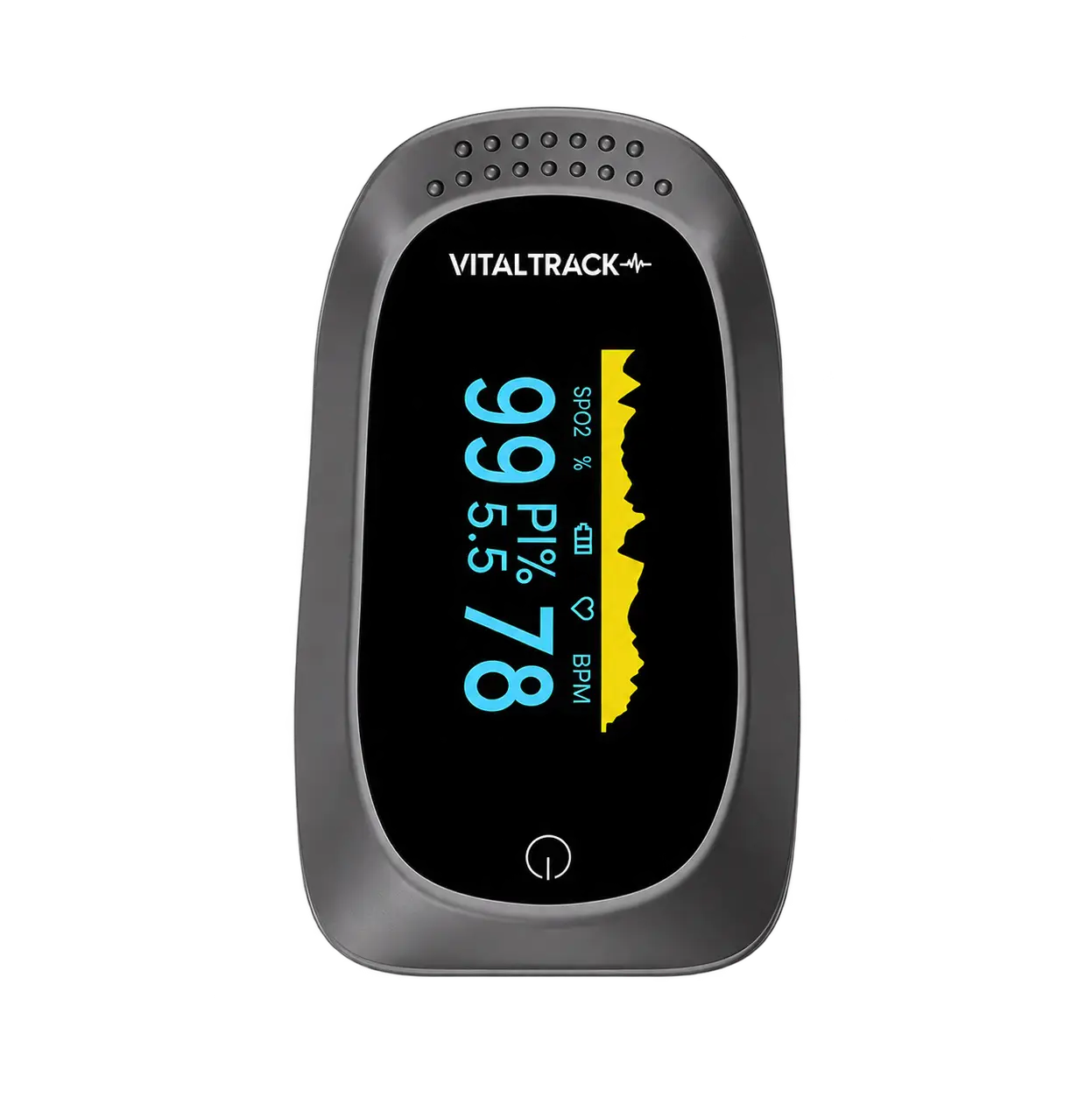
The colour display presents oxygen saturation and pulse information clearly without a complicated menu. Its small format is convenient for storage and travel, while the simple start-up process makes it practical for occasional users as well as routine checks.
We scored the controls, display, feedback and recovery from common mistakes together. Strong controlled performance is less useful at home when a product makes correct positioning or interpretation needlessly difficult.
Comfort, construction and ownership
The housing feels suitably robust for a lightweight portable device and the finger chamber held position securely during calm testing. Like all fingertip oximeters, it should be protected from drops, moisture and extreme temperatures between uses.
Storage, cleaning, power, replacement parts and warranty terms were considered over the ownership period. They cannot rescue weak core performance, but they often decide whether a good device continues to be used correctly after the initial enthusiasm fades.
Records and results
This is primarily a live spot-check device rather than a long-term record-management system. Users who need a detailed history should write down relevant readings and context, while persistent or concerning results should be discussed with an appropriate healthcare professional.
 94/100